



施工実績

The Evolution and Impact of Global Forex Trading 1739659672
2025.11.05
The Evolution and Impact of Global Forex Trading
The world of finance has witnessed significant changes over the decades, with one of the most notable transformations occurring in the realm of foreign exchange. Global forex trading has become a vital part of the international economy, impacting everything from individual investments to large-scale economic policies. In this expansive article, we will explore the intricacies of global forex trading, its historical context, the technologies driving it today, and insight into effective trading strategies. For those interested in a more comprehensive approach to trading, consider exploring a global forex trading Crypto Trading App that can provide tools and resources tailored to modern traders.
Understanding Forex Trading
Forex, or foreign exchange, refers to the marketplace for trading national currencies against one another. This market is the largest and most liquid financial market in the world, with a daily trading volume exceeding $6 trillion. Participants include central banks, financial institutions, corporations, investors, and individual traders who engage in currency trading for various reasons, such as speculation, hedging against risk, or facilitating international business transactions.
A Brief History of Forex Trading
The history of forex trading can be traced back to ancient times when currencies were exchanged based on intrinsic value. However, modern forex trading as we know it began in 1971 when the Bretton Woods system collapsed, leading to the establishment of floating exchange rates. This shift allowed currencies to fluctuate based on market forces, paving the way for the democratization of forex trading and the emergence of retail traders.
The introduction of technology in the 1980s further revolutionized forex trading. Online trading platforms emerged, allowing traders to access the market from anywhere in the world. This accessibility has laid the foundation for the current boom in retail forex trading, enabling individuals to engage in global transactions with minimal barriers to entry.
The Mechanics of Forex Trading
At its core, forex trading involves the exchange of one currency for another. Currencies are traded in pairs (e.g., EUR/USD, GBP/JPY), and each pair’s value fluctuates based on economic indicators, geopolitical events, and market sentiment. This means that traders can profit from both rising and falling markets by taking long or short positions.
Trades are executed through brokers, who provide access to the forex market. Traders can use various types of orders, such as market orders, limit orders, and stop-loss orders, to control their trades effectively. Additionally, traders often employ leverage to amplify their positions, which can increase both potential gains and losses.
The Role of Technology in Forex Trading
As the forex market continues to grow, technology plays an ever-increasing role in its function. Algorithmic trading, powered by sophisticated algorithms and artificial intelligence, has become a game-changer in how trades are executed. These systems can analyze vast amounts of market data in real-time, enabling traders to make informed decisions quickly.
Moreover, the rise of mobile trading applications has revolutionized the way individuals trade forex. Traders can now monitor their accounts, analyze charts, and execute trades from their smartphones or tablets. This level of convenience has attracted a new generation of traders, further democratizing access to the forex market.
Key Strategies for Successful Forex Trading
While forex trading offers opportunities for profit, it is essential to approach the market with a well-defined strategy. Below are several key strategies that traders commonly use:
1. Technical Analysis
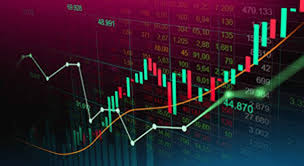
Many traders rely on technical analysis to make informed trade decisions. This approach involves analyzing historical price data, chart patterns, and technical indicators to predict future price movements. Traders utilize tools such as moving averages, Relative Strength Index (RSI), and Fibonacci retracement levels to identify entry and exit points.
2. Fundamental Analysis
Fundamental analysis, on the other hand, focuses on economic indicators, interest rates, and geopolitical events that can affect currency values. Traders who adopt this strategy monitor economic reports (like GDP growth, unemployment rates, and inflation) to gauge a currency’s strength or weakness. This analysis helps them anticipate market movements based on macroeconomic factors.
3. Risk Management
Effective risk management is crucial for long-term success in forex trading. Traders should establish a risk-reward ratio for every trade, using tools such as stop-loss orders to minimize potential losses. Additionally, diversifying trading strategies and maintaining a balanced trading portfolio can help mitigate risks associated with market volatility.
The Future of Forex Trading
As we look to the future, global forex trading will likely continue to evolve with advancements in technology and changing market dynamics. The rise of blockchain technology and cryptocurrencies may reshape how currencies are traded, leading to greater transparency and efficiency in the trading process.
Moreover, the growing interest in ESG (Environmental, Social, and Governance) investments may influence currency valuations as traders increasingly consider ethical investing principles. Overall, global forex trading remains a dynamic and essential component of the global economy, providing opportunities and challenges for traders worldwide.
Conclusion
Global forex trading is a multifaceted field that plays a pivotal role in the international financial landscape. From its historical roots to the influence of modern technology, understanding the mechanisms and strategies behind forex trading is vital for anyone interested in entering this lucrative market. By leveraging the right tools, staying informed about market trends, and adopting effective trading strategies, traders can navigate the complexities of forex trading and harness its potential for financial growth.
