



施工実績

The Impact of Demos in Modern Marketing Strategies 522965502
2026.01.22
The Impact of Demos in Modern Marketing Strategies
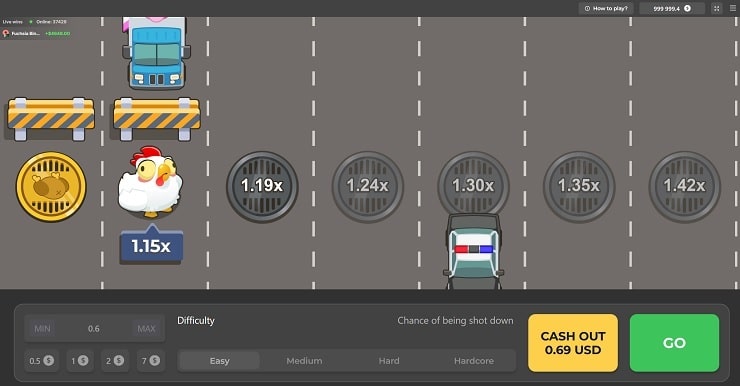
Demos have become an integral part of marketing strategies, allowing businesses to showcase their products and services in a tangible way. One interesting avenue explored through demo presentations is the interactive experience they provide, making audiences not just passive observers but active participants in the experience. As brands compete fiercely for consumer attention, a well-crafted demo can serve as a powerful tool. An excellent example of this is how demo Chicken Road offers engaging content that resonates with their audience, facilitating a connection that goes beyond traditional marketing. In this article, we will delve into the multifaceted role that demos play in marketing, their benefits, and how companies can effectively implement them.
Understanding the Role of Demos
Demos, or demonstrations, provide an opportunity for brands to illustrate the functionality and benefits of their products directly to potential customers. Whether through live presentations, product videos, or interactive online experiences, demos enable consumers to gain a practical understanding of how a product works and how it can potentially meet their needs.
Moreover, in a world where consumers are bombarded with information and advertising, demos stand out as a much more engaging method of communication. They help to simplify complex concepts and provide a clear value proposition. This direct engagement not only fosters better understanding but can also generate excitement and anticipation surrounding the product launch.
Enhancing Customer Engagement
One of the most noteworthy benefits of utilizing demos in marketing strategies is the enhanced customer engagement they foster. By actively involving consumers in the product experience, brands can encourage deeper emotional connections. For example, tech companies frequently use product demos during their launches, allowing potential buyers to interact with devices, which significantly enhances their buying experience.
Demos also serve as an opportunity for brands to gather feedback. By observing how potential customers interact with a product during a demo, companies can identify pain points, understand consumer behaviors, and adjust their marketing strategies accordingly. This feedback loop is invaluable, as it helps companies cater to their audience’s needs more effectively, resulting in a more personalized marketing approach.
Building Trust and Credibility
Demos significantly contribute to building trust and credibility between the brand and the consumer. When a brand takes the time to demonstrate its product, it conveys transparency and confidence in what it offers. Instead of simply relying on testimonials or written descriptions, demos allow consumers to see the product in action, alleviating any doubts they may have about its performance.
Moreover, when consumers witness the product’s reliability firsthand, they are more likely to share their positive experiences with others. This word-of-mouth promotion can be invaluable for brands trying to establish themselves in the market. Trust is a crucial currency in today’s digital marketplace, and demos provide a watertight way to earn it.
Types of Demos
There are various types of demos that businesses can implement, each catering to different aspects of marketing strategies:
Live Demonstrations
Live demonstrations are frequently utilized in trade shows, product launches, and promotional events. They offer an immediate and in-person experience to the audience, fostering excitement and interaction. These demos allow potential customers to ask questions and provide direct feedback, enhancing the overall experience.
Video Demos
Video demos have become increasingly popular, especially in the digital age. Brands can create engaging video content that showcases their products’ features and benefits. These videos can be shared across various digital platforms, making them easily accessible to a wider audience. Video demos also allow for creativity, incorporating storytelling elements that can make an emotional connection with viewers.

Interactive Demos
Interactive demos leverage technology, allowing users to engage with the product virtually. This approach can be seen in software products or applications where users can interact with the features directly online. This level of engagement deeply personalizes the user experience and significantly boosts conversion rates.
Measuring the Success of Demos
To determine the success of demo strategies, brands should track several key performance indicators (KPIs). These may include conversion rates, audience engagement levels, and feedback metrics captured during or after the demo experience. Additionally, analyzing how many participants take further action—such as visiting a website, signing up for a newsletter, or making a purchase—can provide insight into the effectiveness of the demo.
Utilizing analytics tools can also offer insights into audience demographics, behaviors, and preferences, allowing brands to refine their demo strategies continually. A/B testing different demo formats can also provide valuable data to optimize for future presentations.
Challenges Associated with Demos
Despite their many benefits, organizing and implementing demos can pose several challenges. For instance, businesses need to ensure that they have the right technology in place to execute a demo successfully, both in-person and online. Technical issues can detract from the experience and potentially harm the brand’s image.
Additionally, while some products are inherently straightforward to demonstrate, others may require more nuanced explanations. Brands must invest in proper training for their staff so that they can effectively communicate the product’s benefits without overwhelming the audience with technical jargon. Striking the perfect balance in presentation style is key to a successful demo.
Conclusion
In today’s competitive market, demos serve as a vital component of effective marketing strategies. They not only engage customers and build trust but also provide invaluable feedback. By leveraging different types of demos—live, video, and interactive—brands can enhance their visibility and connect more meaningfully with their audience. As technology continues to evolve, so too will the methods employed to bring demos to life. Companies that harness the potential of demos will likely be the ones that cut through the noise and successfully command their market space.
