



施工実績

official image
2025.10.07Official image
Did you know that during the communist-era a lot of surreal movie posters were created in Poland, as an alternative to banned U.S. publicity material? Some are true works of art parking for bellagio! Make sure to have a look at our section of classic Polish posters.
We have artist and designer sections with info on more than 13,000 posters. Check out the great work by Drew Struzan, Saul Bass and Luigi Martinati, for example.If you are an artist or design company and want to be listed on CineMaterial don’t hesitate to contact us!
By signing up you agree to receive recurring automated promotional and personalized marketing text messages (e.g. cart reminders) from Art.com at the cell number used when signing up. Consent is not a condition of any purchase. Reply HELP for help and STOP to cancel. Msg frequency varies. Msg & data rates may apply. View Terms at & Privacy at
Classic artwork
Leonardo da Vinci’s Mona Lisa is one of the most mystifying and iconic paintings in art history. This portrait was commissioned by a wealthy Florentine silk merchant. The painting depicts Giocondo’s wife, Lisa Gherardini, sitting on a balcony against an imaginary landscape. Da Vinci employed his mastery of sfumato, a painting technique that produces soft, blurred outlines, to create an ethereal, enigmatic quality in Lisa’s facial expression.
This popular painting is a triple portrait of King Charles I from three different viewpoints, including a left-full profile, a right-three-quarter profile, and a front face on. The painter was presumably inspired by Lotto’s Portrait of a Man in three different positions. The painting was also used as a study piece for sculpturing the monarch later.
Have you ever found yourself thinking about which paintings stand out as the most famous throughout history? Ranking all paintings ever created is a tough task due to the enduring significance of painting as an ancient art form, especially considering the rise of competing mediums like photography and digital art. However, within this vast artistic landscape, certain paintings emerge as timeless masterpieces, instantly recognizable to the public and resilient in their endurance.
The life-like painting by French artist Gustave Caillebotte is considered one of his best works to date. It is a large oil-based painting that shows various individuals walking on a rainy day through the Place de Dublin and epitomized the modern paradigm. And even though this one is regarded as an Impressionist work of art, this masterpiece by Caillebotte is different for its apparent linearity and realism as compared to regular brush strokes.
Acknowledging the ever-changing and dynamic nature of art, susceptible to the nuanced shifts influenced by an array of factors such as cultural developments, societal trends, and evolving artistic expressions, we filly commit to a dedicated and ongoing effort. This effort aims to carefully update our list of the world’s top 100 most famous paintings, ensuring it stays relevant and adapts to the changing art world. In this commitment, we take on the responsibility of capturing new stories, showcasing emerging talents, and adjusting to the evolving world of artistic brilliance.
It is also interesting to note that this scientifically inspired painting also has religious elements to it. The book, Institutiones Astronomicae Geographicae, is open to a section advising that the astronomer seeks inspiration from God.
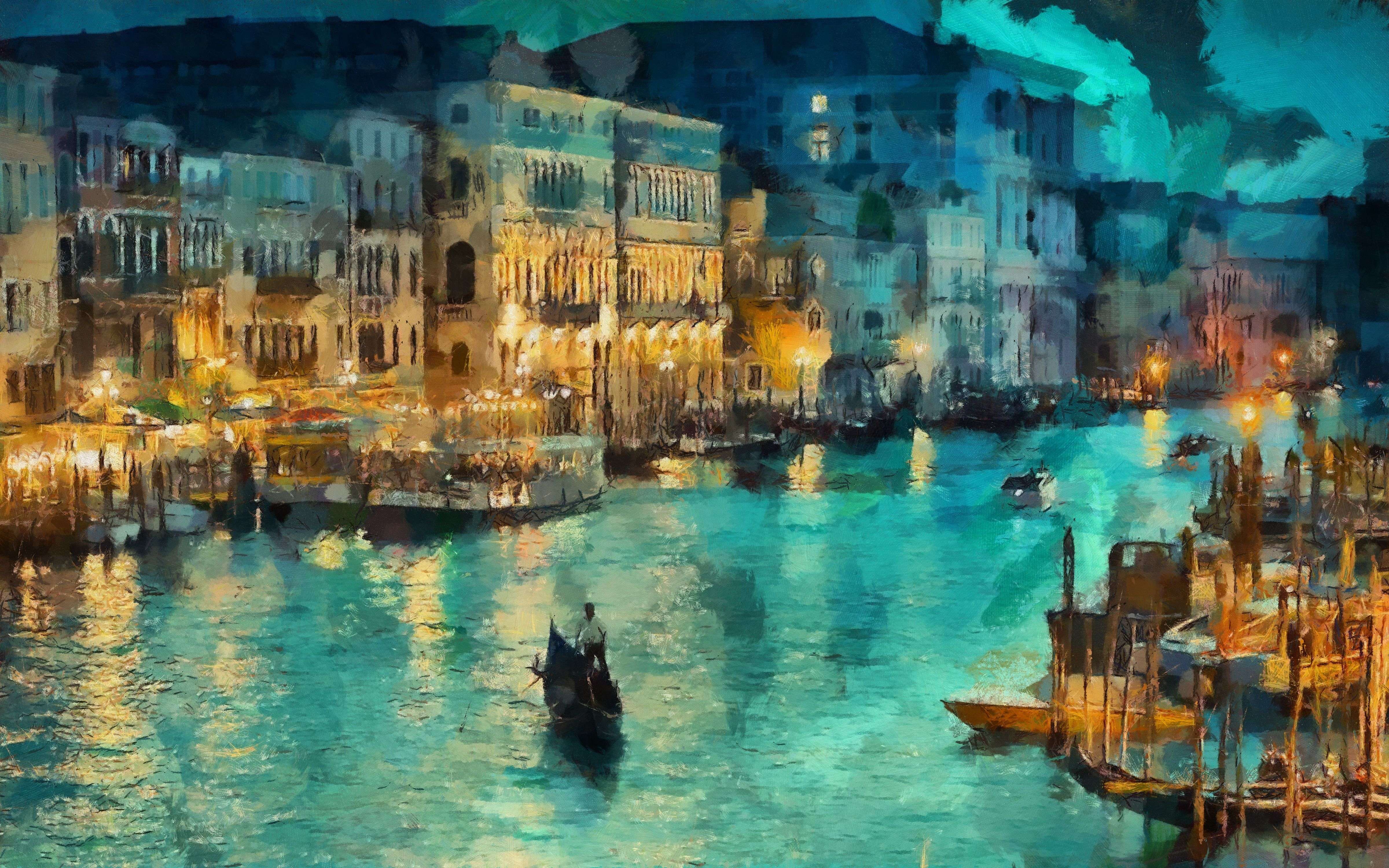
Cinematic artwork
In this cult classic, Eva Green and Louis Garrel form an unforgettable pair that profoundly impact an American expat’s experience of Paris. The adventurous duo, never ceasing to incorporate art and culture into their rebellion, decide to recreate a scene from Godard’s famous Band of Outsiders. The movie thus successfully references two different art genres at once, with a nod to New Wave cinema and art history’s neo-classical masterpieces.
Where mediums intersect there is often a blur. A blur of fine lines and artistry that doesn’t truly belong to one medium or the other. Cinema and painting hold their own respective places in artistic history and yet they share many of the same objectives, leaving their boundaries ambiguous and open to interpretation.
That’s easier said than done, of course. Film, to echo an old saw, is a visual medium, but it’s undeniably a literary one, too. Lean too heavily on dialogue, and your movie could come off prosaic or heavy-handed; concentrate too hard on the beauty of each frame and your final product may end up feeling inert and indulgent, less than the sum of its pretty parts. A painting, after all, is a single image—films consist of thousands of images, which need to be carefully edited together into a story.
Alongside such noteworthy instances, Efendi also notes some lesser-known, obscure, and arcane parallels like the painting Lamentation of Christ (1475-90) by Andrea Mantegna in the film The Return (2003) by Andrey Zvyaginstev and painting Over the Town (1918) by Marc Chagall in the film Sexy Beast (2000) by Jonathan Glazer, that are much newer discoveries or analyses.
Similarly, in Shutter Island (2010), Martin Scorsese makes a visual reference, utilizing paintings such as Gustav Klimt’s “The Kiss” in a reflection of the mind of a fractured protagonist, as well as his individual struggle. Such references in paintings provide depth and interpretation of the film, allowing viewers to relate on another plane.
